Contract Tanning

Raw hides accepted beginning Sept. 1st.

If you are interested in keeping the alligator skins you have hunted, bring them to us!

How It Works

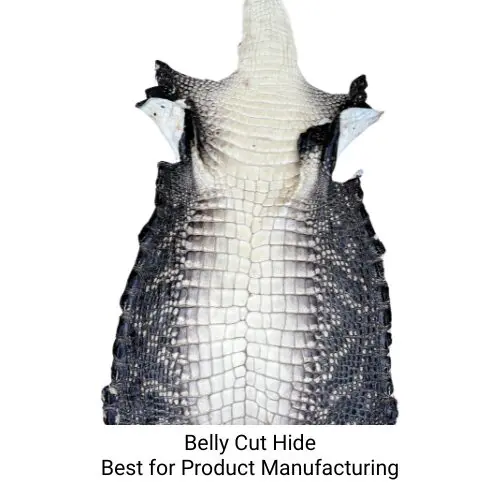
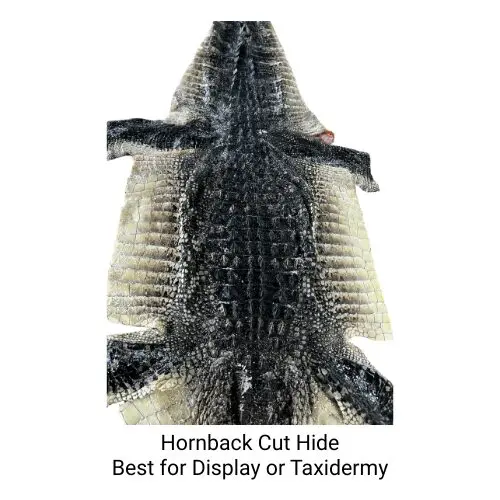
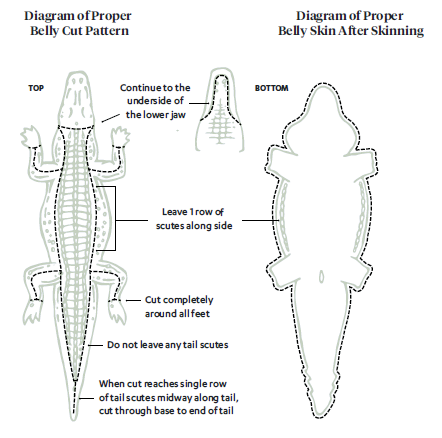
We accept Alligator Belly Skins & Hornback Skins

  • Skins must be properly Fleshed out and SaltedĀ 

**Skins subject to additional fees if not properly fleshed & salted

  • No whole animals (Head and feet must be removed)
  • Belly Skins are BEST for Product Manufacturing

šŸ“ž Important: Please contact us before dropping off or shipping your hide(s) toĀ  ensure proper handling and scheduling.


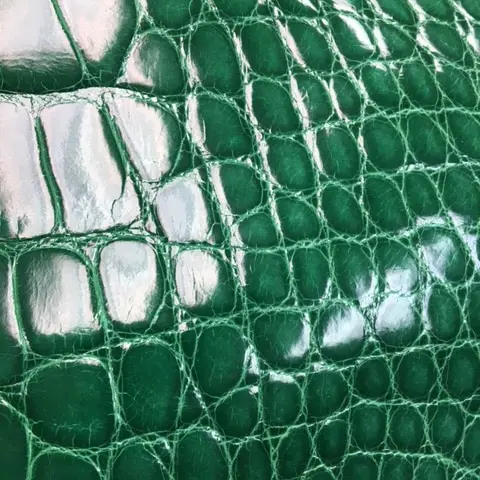
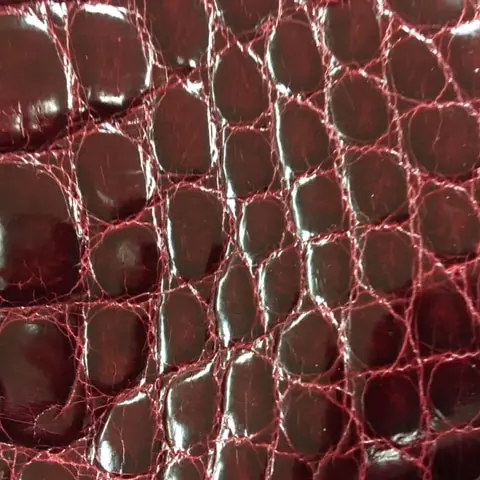
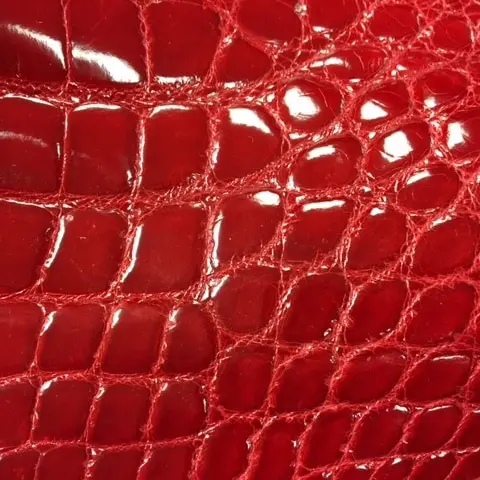
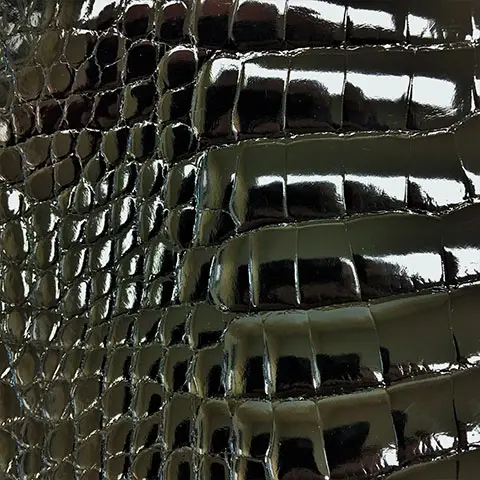
Choose Your Color & Finish

  • Select ONE Color & Finish for each Skin
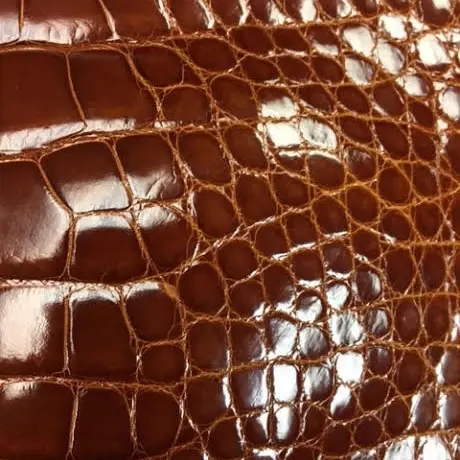
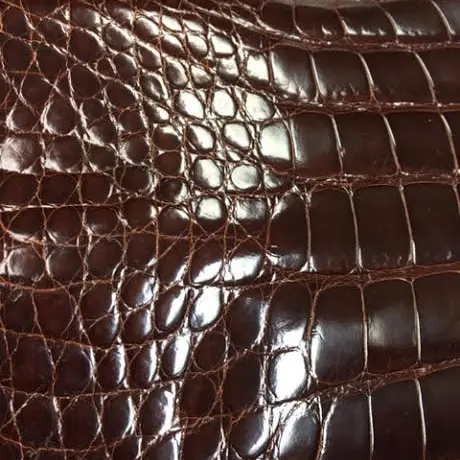
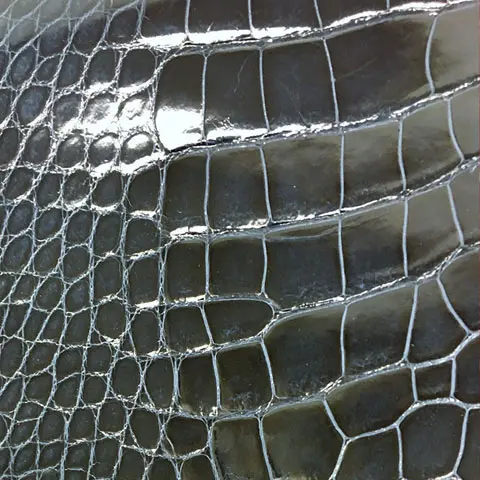
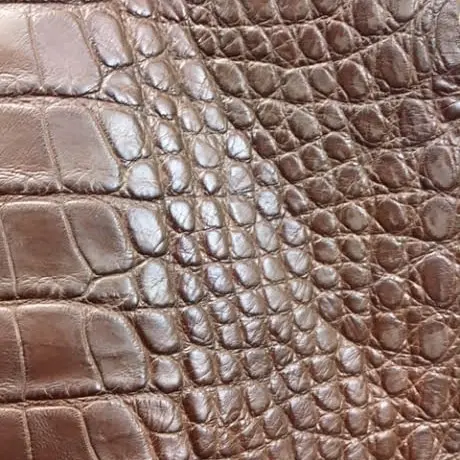
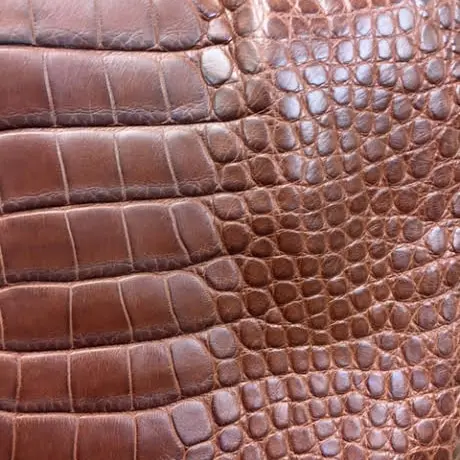
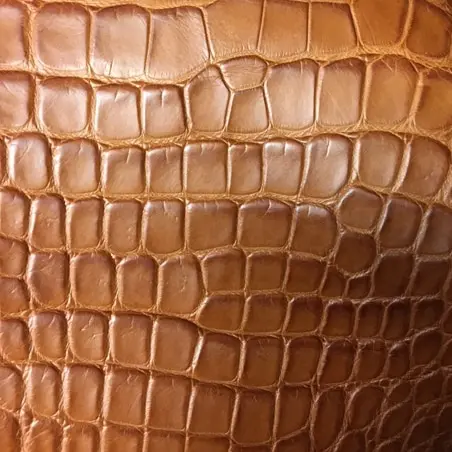
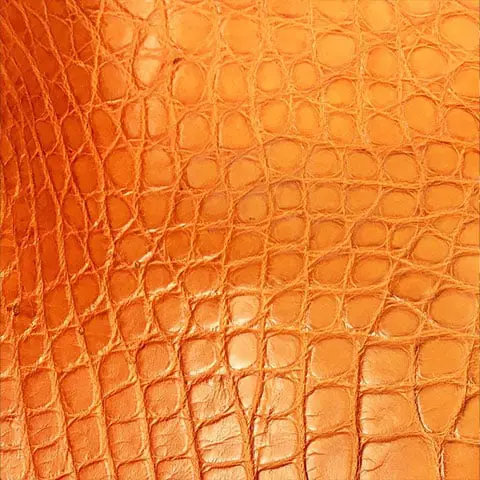
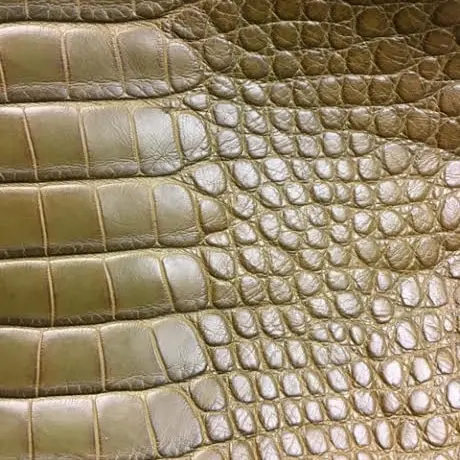
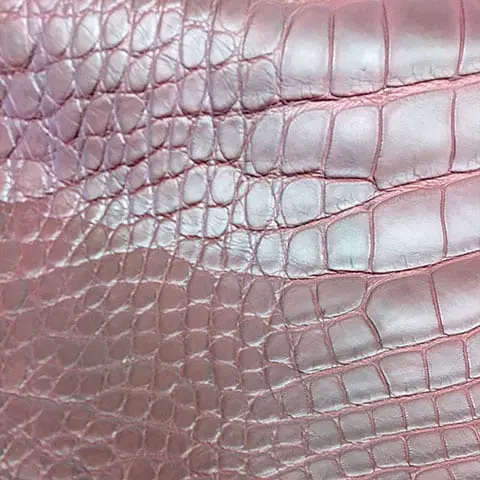
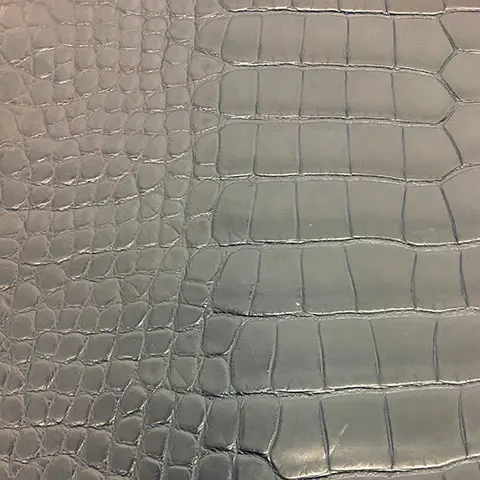
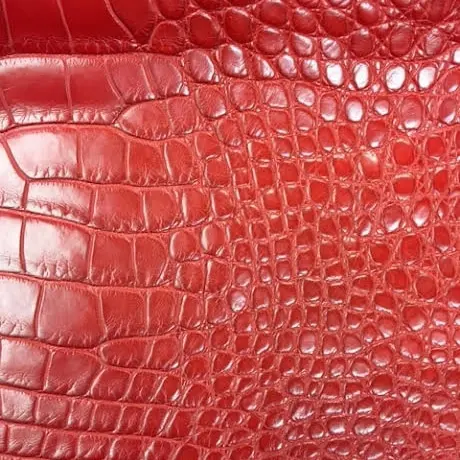
  • We offer a range of color options for Belly Skins
  • Matte Finish provides the greatest versatility for manufacturingĀ 
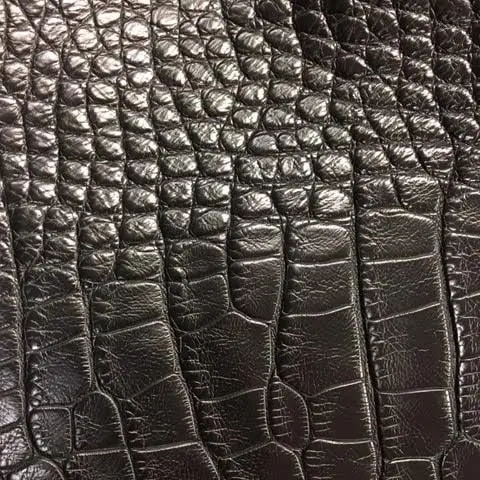
  • Hornback colors are more limited due to the scales and skin texture
  • Hornback skins – Limited to Matte FinishĀ 

Turnaround Time

  • The tanning process typically takes 15 to 18 months (depending on the tannery’s schedule)Ā 

Tanning Cost

  • Determined by measuring the widest point of the tanned alligator in centimeters.
  • DEPOSIT: We require 50% of the estimated tanning cost at the time we receive your hide.

**Skins delivered without a deposit payment will not be tanned**

  • BALANCE: The remaining balance will be due upon completion.

Additional Services & FeesĀ 

**MUST BE PREPAID**

  • Fleshing Fee: $12.00 / ft.Ā 
  • Initial Salting Fee: $2 / ft.
  • Rehydration Fee : $1.50 / cm

Not sure what to make with your finished alligator skins?

Choose from our line of products or talk to us about custom products.Ā 

Click below to visit our product website.

DELIVERY & SHIPPING INSTRUCTIONS

Shipping hides to us:

  • All hides must be properly tagged with a CITES tag
  • All hides being Shipped to us must be Skinned, Fleshed, and Heavily Salted
  • Make sure they are very well wrapped in multiple bags, to prevent leaking
  • The box should be very sturdy.
  • Extra Charges will be incurred if additional salting or fleshing is required

*Ship hides on Monday or Tuesday to ensure the hides move during the week.

You will need to provide:Ā 

  • All hides must be properly tagged with a CITES tag
  • 50% deposit payment per hide (Call ahead to prepay BEFORE shipping)Ā 
  • Send info & documents listed above to Info@markstatonllc.com
  • Ship hides to:

Mark Staton, LLC
Attn: Raw Skin Department
111 Bourque Rd.
Lafayette, LA 70506

Dropping off hides:

  • Call ahead if dropping off skins (no whole animals)
  • We accept skins Monday – Friday: 10am – 12pm & 1pm – 4pm
  • All hides must be properly tagged with a CITES tag

You will need to provide:

  • Copy of hunting license- with tag number series visible
  • All contact information below for the hunter/hide owner
    • Full Name
    • Shipping address
    • Phone number
    • EmailĀ 
  • Color / Finish ChoiceĀ Ā 
  • 50% deposit payment per hide
  • All Additional Fleshing & Salting Fees MUST BE PREPAID IN FULL
TAXIDERMY
We do NOT handle any Taxidermy.
  • We recommend contacting a Taxidermist of your choice If you are interested in “Natural” looking hides, skulls, or mounts.Ā 
  • Want both? You can have us tan your Belly Skin into leather and have a taxidermist of your choosing process the head from your alligator. This will give you the best of both worlds, but the hide and head must be treated properly.

Salting a Hide

  • To salt an alligator hide, after removing flesh, apply a generous, 1/2 to 1-inch layer of fine mixing salt to the entire hide, rubbing it into all crevices and folds.
  • After an initial ~1-day drainage period, shake off the excess, re-salt the hide with a lighter coating, and then tightly roll it for another 7-10 days to allow it to “take” the salt, during which time it will weep moisture.Ā 
  • Salt type: Use a fine-grain mixing salt or pool salt; avoid rock salt.

Tips for Hide Preparation

  • Skin the alligator as soon after the harvest as possible.
  • Avoid direct sun or heat on the carcass or hide.
  • Keep the hide away from blood, entrails, or other dirty surfaces where to prevent bacteria from getting into the hide.
  • Don’t use rock salt
  • Don’t freeze hides, if possible (freezer burned hides won’t tan properly)

Have a question? Text us! 1(833)536-8581

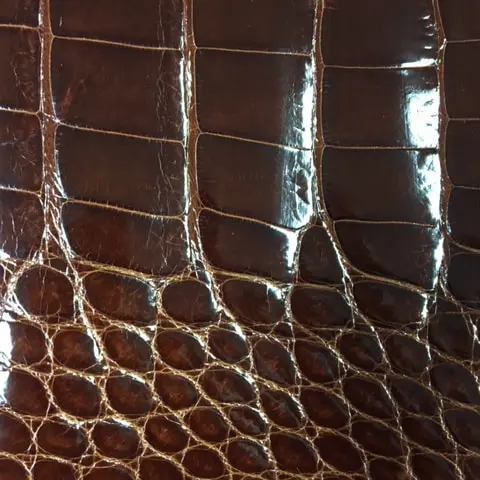
Glazed Finish

The glazing of alligator and crocodile skins is performed with a special glazing machine. A polished glass or agate cylinder is fast-stroked under high pressure over the surface of the leather after it has been dyed and sprayed with finishing agents. The mirror-like finish results produce the classic shiny appearance of alligator leather goods.

Subject to Dye Lot Variation

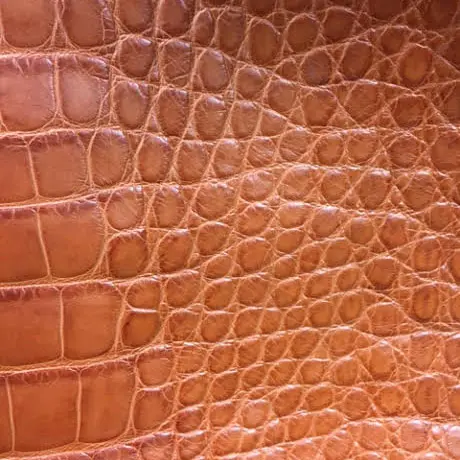
Matte Finish

The production of matte finish alligator and crocodile skins does not involve the high-pressure stroking characteristic of the glazing process. Instead, a luster is achieved through buffing and the application of waxes and other finishing agents. This method of finishing, along with techniques such as the addition of oils to the leather and tumbling the skins in drums, produces the soft and supple feel characteristic of matte finish skins. This finish has gained wide acceptance among both manufacturers and consumers of high-quality alligator and crocodile leather goods.

Subject to Dye Lot Variation